Black Leaders and the Fight for Fair Housing
As we celebrate Black History Month, it’s important to reflect on the leaders whose courage and vision helped dismantle discriminatory housing practices and paved the way for more equitable access to the American Dream of homeownership.
Discriminatory policies such as redlining, where neighborhoods with majority Black residents were systematically denied loans, insurance, and investment, entrenched segregation and wealth disparities throughout the 20th century. These practices were not simply bad policy. They shaped where families could live, work, and build generational wealth for decades.
Trailblazers in the Fight for Fair Housing
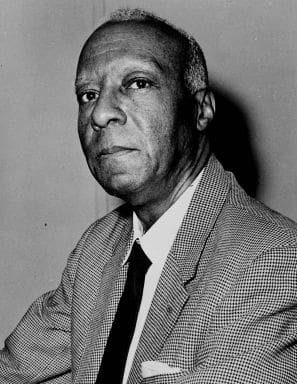
A foremost civil rights leader and labor organizer, A. Philip Randolph founded the Brotherhood of Sleeping Car Porters, one of the most influential Black labor unions in U.S. history. Beyond labor rights, Randolph was a powerful advocate for economic and housing equity. His leadership helped draw attention to systemic barriers that restricted Black Americans’ opportunities, including in housing and employment, contributing momentum to the broader civil rights movement that culminated in federal fair housing reforms.
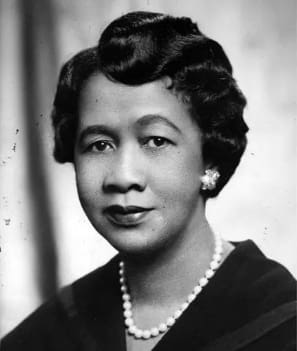
A giant in both civil rights and women’s rights, Dorothy Height served as president of the National Council of Negro Women and was a key figure among the “Big Six” civil rights leaders. Height brought focused attention to the intersection of racial and gender inequality, and she consistently emphasized that proactive efforts, not passive hope, were necessary to achieve justice. Her work on housing and economic access strengthened the movement for equitable housing opportunities.
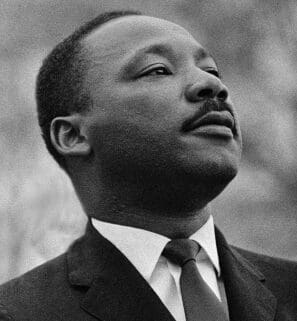
Perhaps the most celebrated figure of the civil rights movement, Dr. Martin Luther King Jr. understood that true equality required economic justice and fair access to housing. In the Chicago Freedom Movement of the mid-1960s, he and fellow activists marched to demand open housing, the right for Black families to buy homes anywhere, not just in segregated neighborhoods. Dr. King’s leadership and advocacy helped build the public and political will that led to the Fair Housing Act of 1968, which outlawed discrimination in the sale, rental, and financing of housing based on race and other protected characteristics.
The Fair Housing Act: A Milestone With Work Still to Do
Enacted one week after Dr. King’s assassination, the Fair Housing Act became a cornerstone of civil rights law. It prohibited racial discrimination in housing transactions nationwide.
While the Act was historic, achieving its promise has been an ongoing challenge. Decades later, racial disparities in homeownership and lending persist, showing that legal protections alone are not enough to erase the long-term effects of entrenched discrimination.
Where We Stand Today
According to NAR’s 2025 Snapshot of Race and Home-Buying in America:
- The Black homeownership rate remains significantly lower than the national average, at just under 45 percent, despite modest gains over the past decade.
- This contrasts with higher homeownership rates among other groups, including Whites at roughly 72 percent, Asians near 63 percent, and Hispanics above 50 percent, underscoring persistent gaps in access to homeownership.
- Black buyers also continue to face higher barriers in mortgage approval compared with other groups, reflecting ongoing challenges in access to credit and lending.
Homeownership remains one of the primary vehicles for building wealth in the United States, and these gaps have real implications for economic equity across generations.
Continuing the Legacy
Honoring leaders like Randolph, Height, and Dr. King means recognizing both how far the fair housing movement has come and how far it still needs to go. Their leadership reminds us that expanding access to equitable housing requires sustained commitment through public policy, community engagement, and everyday practice.
As REALTORS®, we have the opportunity to uphold fair housing principles, educate our communities, and ensure that the doors to homeownership open equitably for all, carrying forward the legacy of those who fought tirelessly for justice.
Learn more about Fair Housing rights, responsibilities, and resources at nar.realtor/fair-housing.